Published
Every Phase I Environmental Site Assessment ends the same way: a conclusions section written in three acronyms. REC, CREC, and HREC are how ASTM E1527-21 classifies what the environmental professional found. If you’re the buyer, lender, or counsel reading the report, the difference between them is the difference between a closed chapter and an open liability. Here’s what each one means in plain English, and where the title records fit in.
REC: the finding that drives the deal
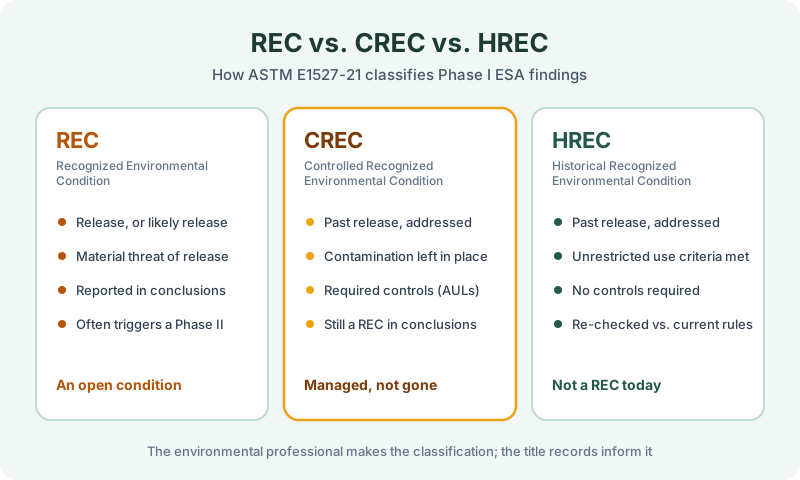
A recognized environmental condition is the Phase I’s core finding. Under E1527-21, it means one of three things about hazardous substances or petroleum products at the property:
- They’re present because of a release to the environment
- They’re likely present because of a release or likely release to the environment
- Conditions pose a material threat of a future release
The 2021 revision restructured the definition around these three prongs to make the call more consistent from one environmental professional to the next. A REC in the conclusions is the signal that something needs attention, and often the trigger for a Phase II investigation, a price conversation, or extra deal protections.
CREC: addressed, but with strings attached
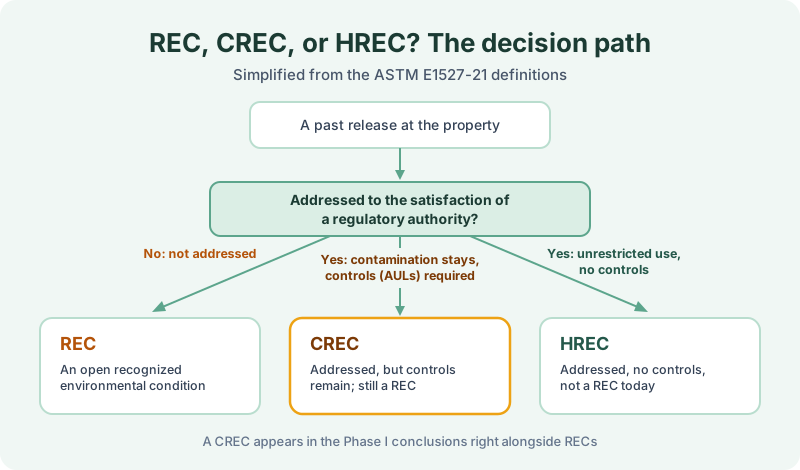
A controlled recognized environmental condition is a past release that has been addressed to the satisfaction of the responsible regulatory authority, but with hazardous substances or petroleum products allowed to remain in place, subject to required controls. Those controls are Activity and Use Limitations: the environmental covenant that bars residential use, the groundwater restriction that prohibits drinking-water wells, the parking-lot cap that can’t be breached without a soil management plan.
The word to underline is controlled, not closed. A CREC is still a REC (E1527-21 has it reported in the conclusions right alongside open RECs), and the contamination is managed rather than gone. Because the controls run with the land, every future owner inherits the obligations that keep the regulator satisfied.
HREC: addressed and closed, for now
A historical recognized environmental condition is also a past release addressed to the regulator’s satisfaction, but one where the property now meets unrestricted use criteria, with no controls required. With nothing left to manage, an HREC is not a REC, and it doesn’t carry forward as an open condition.
One nuance worth knowing: closure isn’t necessarily forever. The environmental professional considers whether a release closed years ago would still satisfy today’s criteria. Regulatory standards tighten over time (vapor intrusion is the classic example), and a closure letter from 1998 doesn’t guarantee a clean bill under current rules. Yesterday’s HREC can come back as today’s REC or CREC.
Why the three-way split matters to a buyer
Each label points a transaction in a different direction:
- A REC keeps diligence open. Expect conversations about Phase II sampling, price adjustments, escrows, or contractual protections before anyone signs.
- A CREC means inherited obligations. The deal can absolutely proceed, but you’re taking title subject to the controls, and complying with those land-use restrictions is one of the continuing obligations that preserve CERCLA landowner liability protections. A restriction that’s harmless to one buyer’s plans can sink another’s redevelopment.
- An HREC is history worth keeping. It documents that an issue was found and resolved: useful context for the file, and a marker of what to re-verify if standards have moved.
Where the lien & AUL search feeds the call
The REC/CREC/HREC classification belongs to the environmental professional; a title search doesn’t make that judgment. What the search supplies is the record the judgment rests on. A CREC’s defining feature is its controls, and most institutional controls are recorded instruments: environmental covenants, deed restrictions, and notices sitting in the land records, sometimes decades back in the chain. An environmental lien, meanwhile, can be evidence of cleanup costs that are anything but resolved.
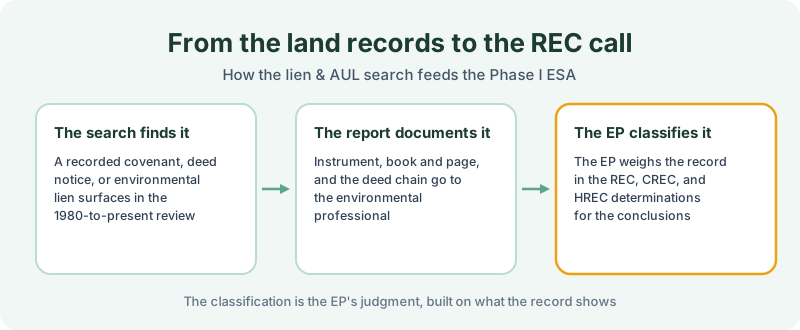
That’s exactly the review ASTM E1527-21 requires of title and judicial records from 1980 to the present, and exactly what our 1980 Environmental Lien & AUL report delivers: any environmental liens, encumbrances, and AULs found, documented with the deed chain to support them. The classification is your EP’s job; supplying the record is ours. Order online for $425, delivered by email in 3–5 business days, or read how the search is actually performed.
Get an E1527-21 compliant lien & AUL report
Our 1980 Environmental Lien & AUL reports are researched by certified title abstractors, cover judicial records, and are guaranteed accurate. Delivered in 3–5 business days.
or call 877-848-5337