Published
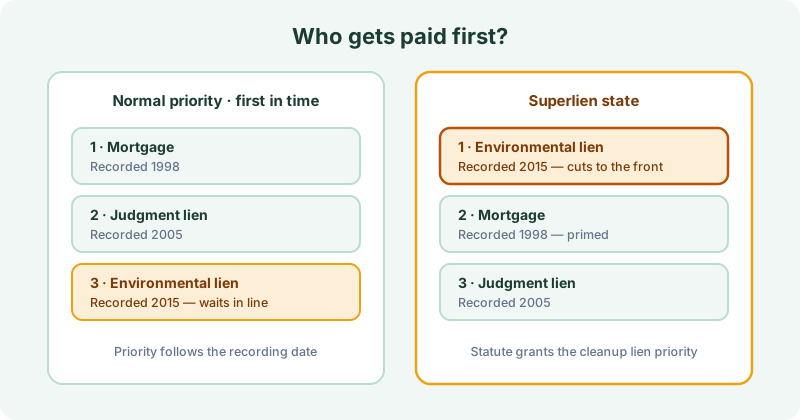
Lien priority normally works like a line at the deli counter: first in time, first in right. A mortgage recorded in 1998 stands ahead of a judgment recorded in 2005, which stands ahead of anything recorded after it. Environmental liens usually join that line like everyone else. But in a handful of states, they don’t. They cut to the front. Those are the superlien states, and they’re one big reason environmental lien searches belong in lender due diligence, not just purchase due diligence.
What a superlien is
A superlien is a statutory exception to first-in-time priority: the state records a lien to recover its hazardous-waste cleanup costs, and the statute grants that lien priority over encumbrances recorded before it, including a mortgage that’s been on record for decades.
The contrast with federal law is instructive. The federal CERCLA lien is not a superlien; it generally takes its place in line behind security interests perfected before it. The superlien is a creature of state law, born of a blunt legislative judgment: the public shouldn’t wait behind private lenders to be repaid for cleaning up contamination.
Which states have superliens
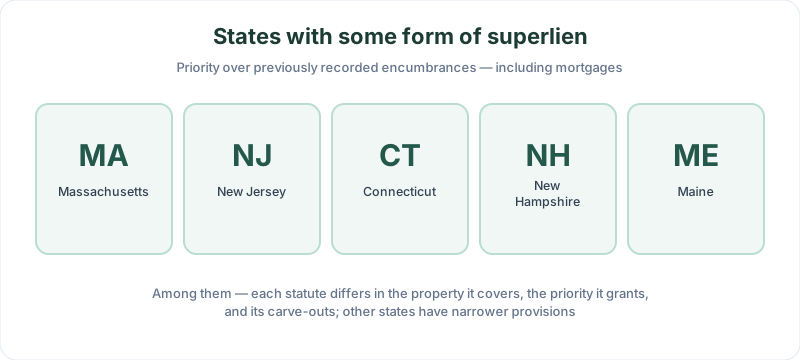
A handful of states have enacted some form of superlien provision, Massachusetts, New Jersey, Connecticut, New Hampshire, and Maine among them. The statutes differ meaningfully: some apply only to commercial or industrial property, some grant super-priority only against the cleaned-up parcel itself, and each has its own procedures and carve-outs.
The details matter enormously in a dispute, and that’s counsel’s territory. What matters for due diligence is simpler: in these jurisdictions, an environmental lien isn’t just an encumbrance to be paid off at closing. It’s a claim that can stand ahead of the financing itself.
Why lenders order environmental lien searches
For a lender, a superlien is a collateral problem. A mortgage that was comfortably in first position can be primed by a cleanup lien recorded years later, and the loan-to-value math that justified the loan goes with it. That risk is a big part of why lenders, not just buyers, order environmental lien and AUL searches before closing, and why distressed-asset teams order them again before foreclosing on property in a superlien state.
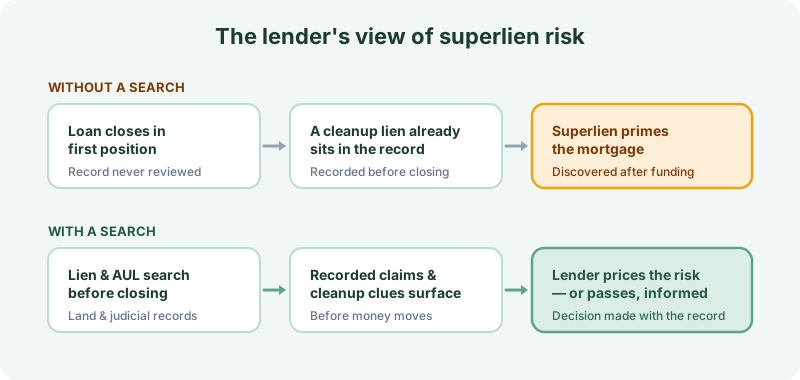
The search can’t prevent a future lien (nothing can). What it does is establish, as of the search date, whether the state has already recorded a claim, whether anything in the chain hints at cleanup activity, and whether the collateral story the borrower tells matches the record. If the deal timeline stretches, the search gets updated before closing so nothing recorded mid-deal slips through.
The practical defense is the same everywhere
Superlien or not, the playbook doesn’t change: review the recorded instruments before money moves. Our 1980 Environmental Lien & AUL report is researched by certified title abstractors who review land and judicial records back to 1980, the full lien and AUL search scope ASTM E1527-21 requires, and summarize any environmental liens and encumbrances found. Reports are $425, delivered by email in 3–5 business days: order online or start with the FAQ if you’re weighing what your deal needs.
Get an E1527-21 compliant lien & AUL report
Our 1980 Environmental Lien & AUL reports are researched by certified title abstractors, cover judicial records, and are guaranteed accurate. Delivered in 3–5 business days.
or call 877-848-5337