Published
Most transactions absorb a bad finding by moving the closing date. An exchange cannot, because the deadlines are fixed and an environmental problem is not a reason to extend them. That single constraint changes when the record work should happen, and it is the whole argument for doing it early. The sequencing question is the same one our note on the environmental due diligence timeline covers for ordinary deals, compressed into a calendar nobody can negotiate with.
Where the record search belongs
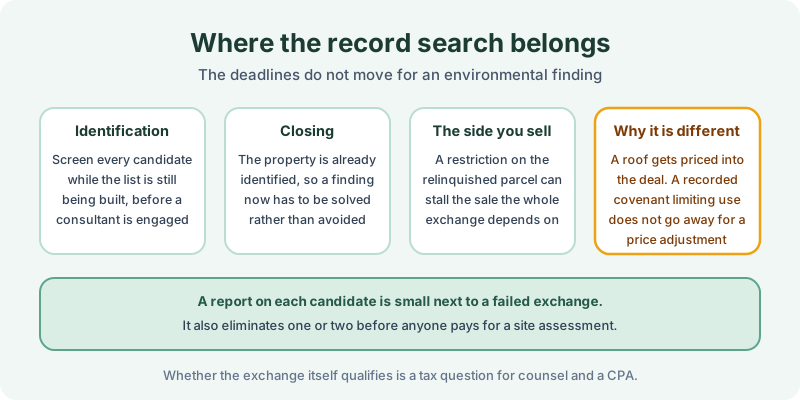
Screen candidates while the list is still being built. Once a replacement property is identified, changing to a different one stops being a preference and becomes a decision with tax consequences, so the questions a record search answers are worth answering before that point.
The cost math is favorable. A lien and AUL report on each of four candidates is small relative to the deferral at stake, and it routinely eliminates one or two before anyone commissions a site assessment.
There is also a reason this category behaves differently from the rest of diligence. A deferred maintenance item gets priced into the deal. A recorded covenant limiting excavation, groundwater wells, or residential use does not go away for a price adjustment, and if it conflicts with the intended use of the parcel, the right price is irrelevant. Our note on what an AUL actually requires covers how narrow some of those instruments are.
Both sides, not just the one you want
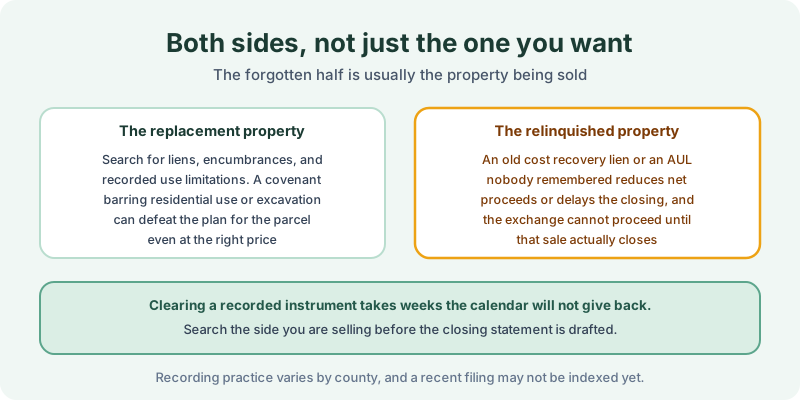
The replacement side gets attention because that is where the plan lives. Search it for liens, encumbrances, and recorded use limitations, and check that the legal description matches the parcel actually being acquired, since a description covering three of four parcels is an ordinary defect and in an exchange it means the property identified is not quite the property received.
The relinquished side is the forgotten half and it carries real exposure. An old cost recovery lien, an AUL from a prior industrial use, or an access easement nobody remembered will reduce net proceeds or delay a closing, and the exchange does not proceed until that sale closes. Clearing a recorded instrument takes weeks, so pull that search before the closing statement is drafted rather than after.
Two structures complicate the record picture further. In a reverse or improvement exchange, title to the replacement parcel is parked with an accommodation entity rather than taken directly, which means the chain runs through a name the buyer has never used and a search organized only around the buyer or the seller can miss filings against the party actually holding title. Supply that entity name at intake. And where several parcels move at once, each legal description needs its own search rather than one report covering the group, the same discipline our note on portfolio and multi site searches sets out.
What to order, and when
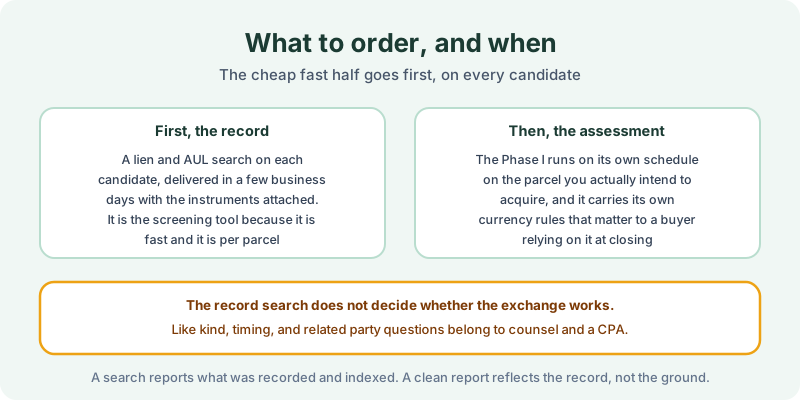
Order the record half first, on every candidate, because it comes back in a few business days and it is priced per parcel. Then run the site assessment on the parcel you actually intend to acquire.
Two rules about that second step matter to an exchange buyer. Assessments have currency limits, so one prepared months earlier for somebody else may not carry, a point our note on the Phase I shelf life and the 180 day rule sets out. And the protections a buyer may want to claim depend on the inquiry having been done properly and by the right party, which our note on the all appropriate inquiries rule explains. Neither of those is satisfied by a records search alone, and neither replaces it.
Read the result with the right expectation. A search reports what was recorded and indexed over the term searched, so it tells you what is attached to the parcel and not what is in the ground or in an agency file. A clean report reflects the record. The recognized environmental condition call belongs to the environmental professional, and whether the exchange qualifies at all is a question for counsel and a CPA rather than a records question. The FAQ covers how we handle thin or unindexed counties, and a sample report shows the format the findings arrive in.
The 1980 Environmental Lien & AUL report is the record half of this work. Certified title abstractors review land title and judicial records from 1980 to the present and document every environmental lien, encumbrance, and AUL found, with the recorded instruments attached. It is $425, delivered by email in 3–5 business days. Order online, and tell us how many candidate parcels you are screening so the scope is set before anything is run.
Get an E1527-21 compliant lien & AUL report
Our 1980 Environmental Lien & AUL reports are researched by certified title abstractors, cover judicial records, and are guaranteed accurate. Delivered in 3–5 business days.
or call 877-848-5337