Published
A closed landfill has a lot going for it as a solar site. It is flat, it is cleared, it is often near transmission, and nobody else wants it. What it also has is a recorded closure file, and the instruments in that file will decide more about the array than the interconnection study does. Development teams reliably discover this late, which is expensive, because the constraints are all knowable at the front end from the same records work described in how an environmental lien and AUL search is performed.
The closure instruments are the design brief
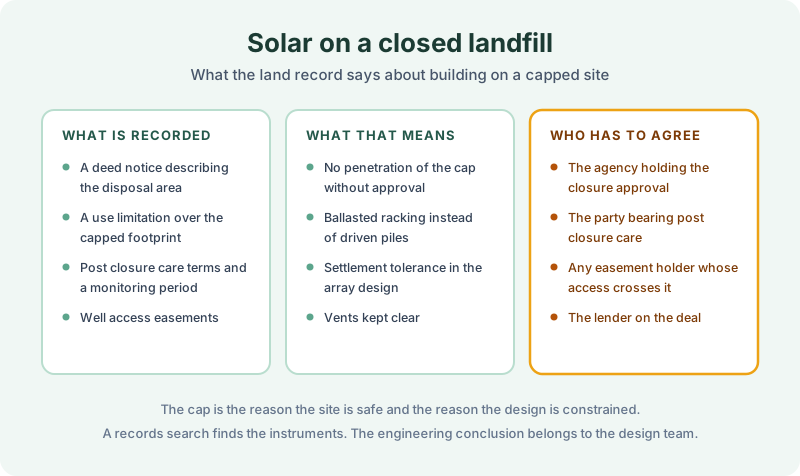
When a disposal site is closed under a state program, the closure typically produces recorded documents. A deed notice describing the disposal area and its boundaries. An activity and use limitation restricting what may happen over the capped footprint. Post closure care terms setting a monitoring period. Easements granting access for gas venting and groundwater wells.
Read together, those documents tell a racking engineer nearly everything they need. A prohibition on penetrating the cap rules out driven piles and points the design at ballasted foundations. A settlement allowance in the closure plan sets the tolerance the array has to absorb. Access easements fix where equipment cannot go. None of this is a surprise once it has been read, and all of it is a surprise when the first anyone reads it is during permitting.
The same logic applies on a brownfield that was not a landfill. A parcel cleaned up under a voluntary program carries whatever restrictions the program required, and the range of those is set out in voluntary cleanup programs and what gets recorded.
Search the chain, not just the current owner
A current owner report is not enough here. These parcels have complicated histories, and the closure instrument may have been recorded against a configuration of land that no longer exists.
- Every parcel in the deal. Arrays sprawl, and the restriction may sit on one tax lot while the interconnect crosses another.
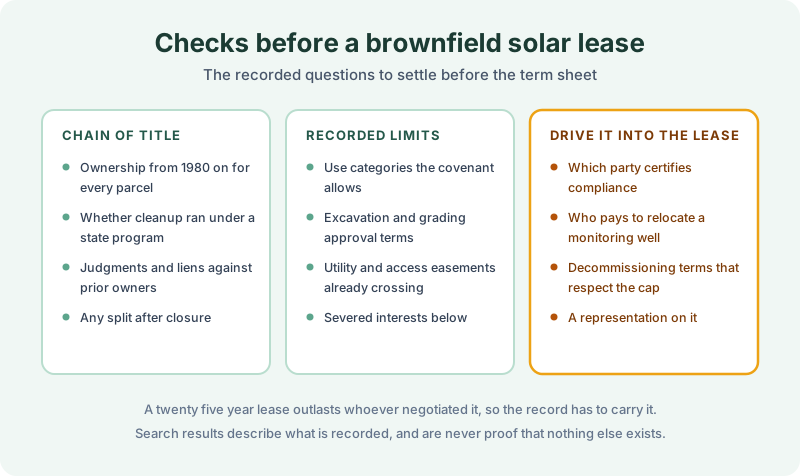
- The full chain from 1980 forward. A cleanup performed under a prior owner produces instruments indexed under that owner’s name, and chain of title work in a Phase I is how those get located.
- Whether the parcel was divided after closure. Subdivision after a covenant is recorded raises real questions about what binds which piece, addressed in an AUL when a parcel is subdivided.
- Recorded access rights. Monitoring well easements are the single most common physical conflict with an array layout, and they are covered in remediation access easements in the land record.
Who ends up holding the obligations
This is where solar projects on restricted land go wrong, and it is a paperwork failure rather than an engineering one.
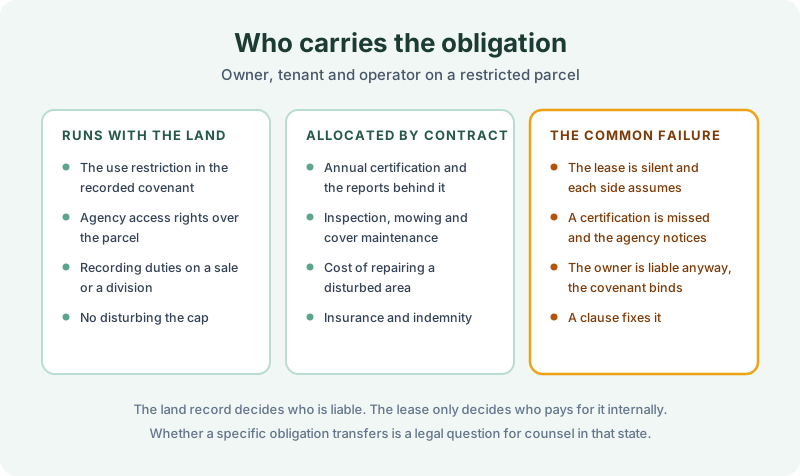
The recorded covenant binds the land. The certification that has to be filed with the agency each year, the cover that has to be maintained, the notice that has to go to the agency before anyone digs, all of it attaches to the parcel and therefore to the owner, regardless of what the lease says. A ground lease can allocate the cost and the labor between the parties, and it does not move the underlying liability.
Gas venting is the other duty that gets forgotten. A closed landfill generates methane for decades, and the vents and probes that manage it have to stay accessible and functional under an array that was laid out on a drawing.
The common failure is silence. The lease says nothing about the annual certification, the landowner assumes the operator files it, the operator assumes the landowner does, and two years later the agency writes to the owner. Naming the recorded instruments in the lease and assigning each duty explicitly is a cheap clause that only gets written if somebody read the instruments first. A twenty five year term outlasts the memory of everyone who negotiated it.
Whether a specific obligation transfers, and to whom, is a legal question for counsel licensed in that state. The records search establishes what was recorded and hands over the documents. It does not opine on their effect, and it is not evidence that nothing else exists, since recording and indexing practice varies county by county.
Ordering the records work
The 1980 Environmental Lien & AUL report covers this ground directly. Certified title abstractors review land title and judicial records from 1980 to the present and document every environmental lien, encumbrance, and AUL found, with the recorded instruments attached, which on a closed landfill means the closure documents themselves rather than a description of them. It’s $425, delivered by email in 3–5 business days. For a multi parcel array, portfolio and multi site searches handle the whole footprint at once. Order online when you know the parcels.
Get an E1527-21 compliant lien & AUL report
Our 1980 Environmental Lien & AUL reports are researched by certified title abstractors, cover judicial records, and are guaranteed accurate. Delivered in 3–5 business days.
or call 877-848-5337