
Published
A condominium unit is one of the few things in real estate that is sold by a number rather than by a boundary. The purchase contract names a unit, the deed conveys that unit plus an undivided interest in the common elements, and neither document has to mention the drainage basin at the back of the property or the tract the whole project was carved out of. That gap matters in environmental due diligence, because a recorded use restriction binds land, not unit numbers. The problem is structural rather than chemical, closer to our note on leased property than to a site history question: the interest being acquired and the description the instrument was recorded against are not the same thing.
One unit, four descriptions
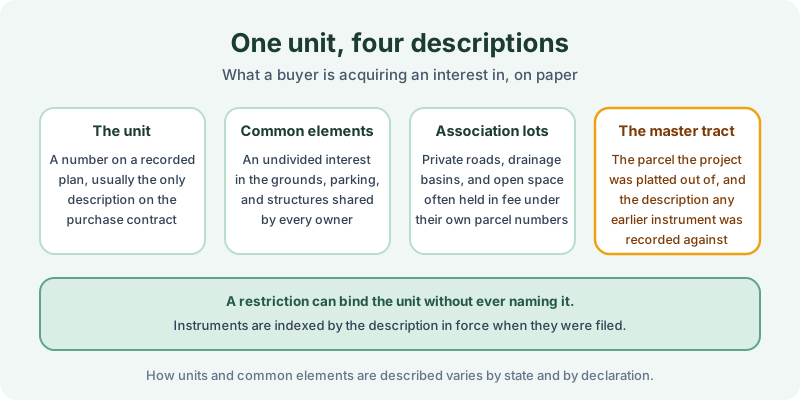
The unit is usually the only description a buyer sees. The common elements come with it as an undivided share, covering grounds, parking, and shared structures. Association lots are the part people forget: in most planned communities and many condominium projects, private roads, retention and detention basins, clubhouses, and open space are deeded to the association in fee and carry their own parcel numbers.
The master tract is the description that does the damage. Every unit in the project traces back to one parcel, and an instrument recorded against that parcel before the plat and declaration went on record runs with everything later created out of it. Twenty years and four hundred units later, nothing in the unit’s own chain repeats the language.
Where the filing actually sits
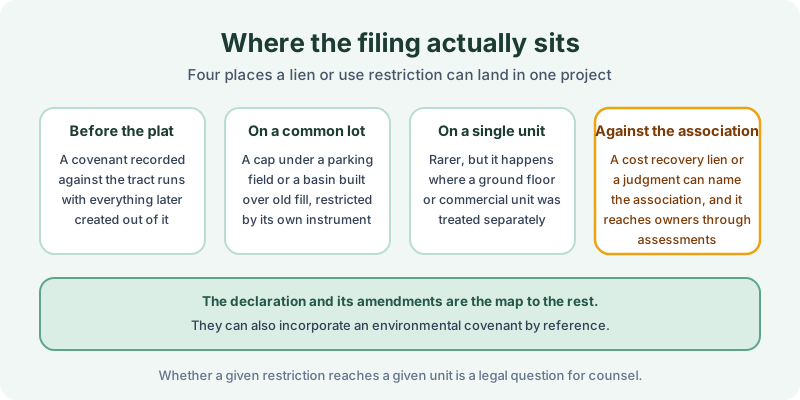
Four locations are worth checking. A covenant recorded against the tract before subdivision is the classic one, and it appears where the land was a working site before redevelopment: an infill project on a former commercial parcel, or a residential conversion of an industrial building. The instruments themselves are the subject of our note on environmental covenants and UECA.
A restriction on a common lot is the second. Where a remedy left material in place, the cap is often under the parking field or beneath a graded open space, and the recorded instrument then limits excavation, planting depth, or removal of the cover. Groundwater is the same story: a project on a plume can carry a well prohibition across the whole development, which our note on groundwater use restrictions covers in more detail.
A restriction on a single unit is uncommon but real, usually where a ground floor or commercial unit was treated separately. And a lien or judgment naming the association does not encumber the unit directly, but it reaches owners through assessments, which is why the association’s name belongs in the search along with the parcel descriptions.
Access is the item that gets negotiated late. Where an agency or a former owner retains the right to enter for monitoring or maintenance, the instrument is usually an easement rather than a covenant, and our note on remediation access easements explains how those read.
Scoping the search
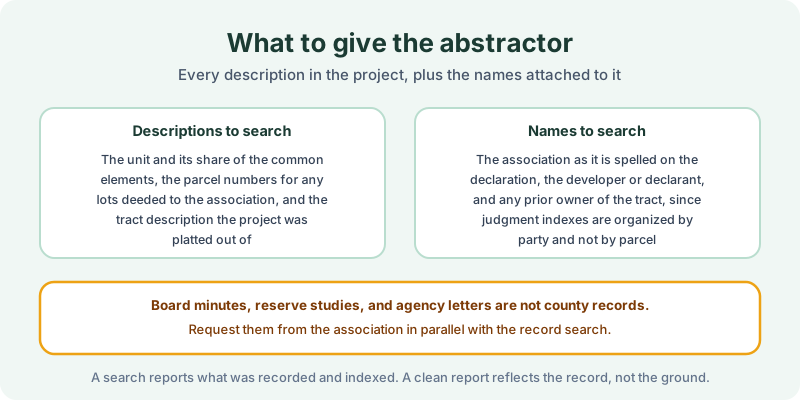
Give the abstractor the whole set: the unit, the common element description, the parcel numbers for any lots the association owns, and the pre-subdivision tract description. The declaration and its amendments are the map to all of it, and they can also incorporate an environmental covenant by reference rather than repeating it. Names matter too, because judgment and court indexes are organized by party. The association as spelled on the declaration, the declarant or developer, and any prior owner of the tract are all worth running.
Buyers acquiring several units at once should treat it as a multi-description job rather than a single search, the same approach our note on portfolio searches describes. What the restriction actually permits is a separate question from whether it exists, and our note on what an AUL requires is the better starting point there. Whether a particular instrument reaches a particular unit is a legal conclusion, and that belongs to counsel rather than to the abstractor.
One limit is worth stating plainly. Board minutes, reserve studies, engineering reports, and agency correspondence are association records, not county records, so they sit outside any search of the land title and judicial indexes. Request them from the association in parallel. A search reports what was recorded and indexed over the term searched, so a clean report reflects the record rather than the ground. The FAQ covers how we handle thin or unindexed counties, and a sample report shows the format the findings arrive in.
The 1980 Environmental Lien & AUL report is the record half of this work. Certified title abstractors review land title and judicial records from 1980 to the present and document every environmental lien, encumbrance, and AUL found, with the recorded instruments attached. It is $425, delivered by email in 3–5 business days. Order online, and tell us how many descriptions the project involves so the scope is set before anything is run.
Get an E1527-21 compliant lien & AUL report
Our 1980 Environmental Lien & AUL reports are researched by certified title abstractors, cover judicial records, and are guaranteed accurate. Delivered in 3–5 business days.
or call 877-848-5337