Published
The former gas station is the site everybody checks. Two doors down, on a half acre with three roll up doors and a gravel side yard, sits the one that often gets waved through: the auto body shop. Collision repair, refinishing, radiator work, a mechanical bay in the back. Nothing about the building announces environmental liability, which is the problem, because the chemistry that moved through it for forty years is a close relative of what moved through the machine shop across town.
What a body shop actually handled
Refinishing is a solvent trade. Preparing, priming, painting, and cleaning the equipment afterward consumed lacquer thinner, toluene, xylene, methyl ethyl ketone, and whatever the gun wash of the era happened to be. Older paints and primers carried lead, chromium, and cadmium pigments, so the sanding dust and booth sludge were metal bearing waste long before anyone labeled them that way.
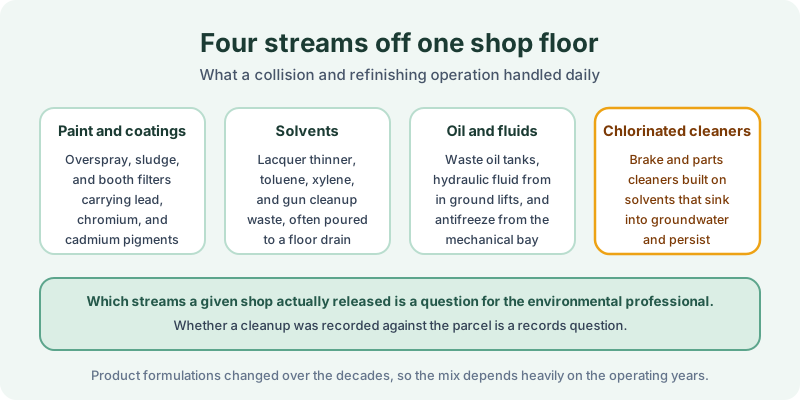
The mechanical side added waste oil, antifreeze, and hydraulic fluid. Brake and parts cleaners rounded it out, and for much of the twentieth century those were built on chlorinated solvents, the same family whose releases sink below the water table and stay there. Formulations changed repeatedly across the decades, so the mix on any given site depends on which years it operated.
The parts that leaked
Two features of the classic shop building matter more than the chemical list. The first is the floor. Bay floors drained, and floor drains ran to dry wells, septic systems, or sewer laterals that were never designed for solvent. Routine cleanup, repeated weekly for thirty years, moves more material into the ground than a single dramatic spill.
The second is the in ground hydraulic lift. Older lifts held oil in a buried cylinder with no secondary containment and no monitoring, and thousands were simply abandoned in place when a shop closed, cut off at the floor and paved over. Add an underground waste oil tank, which many shops had, and the parcel carries buried structures that no longer appear anywhere above grade and rarely appear in any permit file either.
Chlorinated solvents and metals are CERCLA hazardous substances, which puts these releases inside federal Superfund liability as well as state cleanup law, with cost recovery liens available to the agency. The petroleum exclusion that routes a leaking gasoline tank into a state fund program does not cover the solvent side of the shop.
What ends up recorded
Small commercial cleanups almost always close the modern way, risk based, with residual contamination left in place and managed under controls. Those controls get recorded, and that is what pulls this history into a title search.
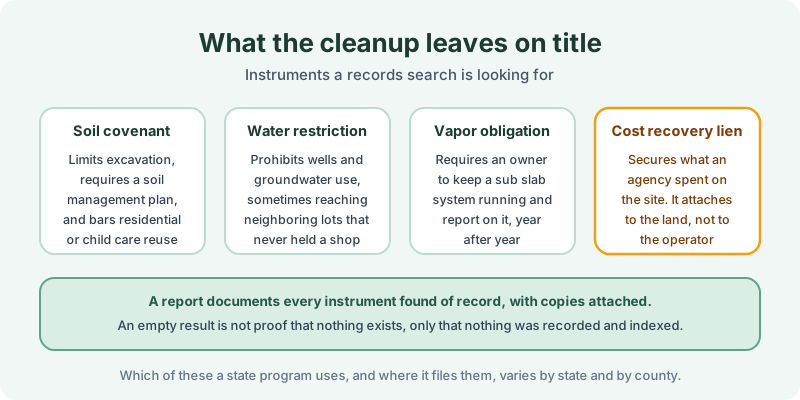
Environmental covenants limit excavation depth, require a soil management plan for any future work, and often bar residential or child care reuse. Groundwater restrictions prohibit wells. Vapor mitigation obligations require an owner to keep a sub slab system running and to report on it. Liens secure agency expenditures and attach to the land rather than to whoever caused the release. Which instruments a program uses, and where they get filed, varies by state and by county, so a search reports what was recorded and indexed in that county rather than a national inventory. In Phase I terms a site closed with residuals under controls is a textbook CREC, and that call belongs to the environmental professional.
The parcel that gets skipped
Body shops were tenant businesses. The operator rented three bays from a landlord who never touched a paint gun, and unless a lease or a memorandum of lease was recorded, that operator leaves no mark in the deed chain at all.
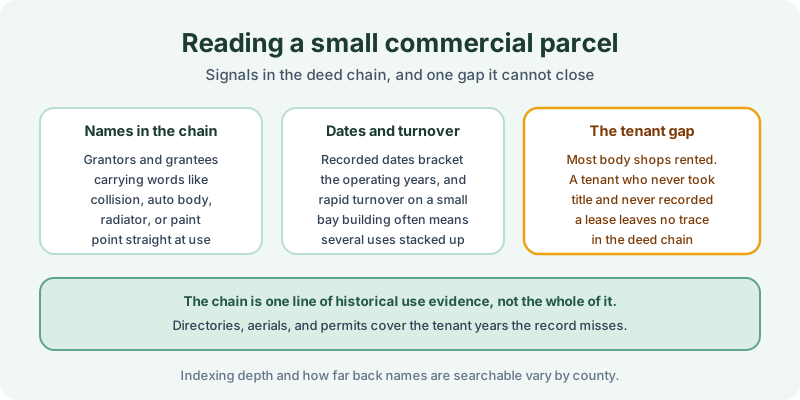
What the record does give you is real. Grantor and grantee names carrying collision, auto body, radiator, or paint point directly at use, recorded dates bracket the ownership years, and a supplemental chain of title search surfaces splits that moved the old bay floor onto a different lot. Pair it with the directory and aerial work, because the user carries obligations a consultant cannot discharge alone.
Check the record before the price is agreed
Most former shop parcels redevelop cleanly, and the ones under controls are usually safe to reuse for the right use. What turns a manageable CREC into a closing surprise is nobody reading the record. Our 1980 Environmental Lien & AUL report covers that half: certified title abstractors review land title and judicial records from 1980 to the present and document every environmental lien, encumbrance, and AUL found, with the recorded instruments attached. It’s $425, delivered by email in 3–5 business days. Order online, and if something surfaces, here is how to read it.
Get an E1527-21 compliant lien & AUL report
Our 1980 Environmental Lien & AUL reports are researched by certified title abstractors, cover judicial records, and are guaranteed accurate. Delivered in 3–5 business days.
or call 877-848-5337