Published
Electroplating is the archetype that gets skipped. A machine shop or a gas station announces itself in the historical record, while a plating shop frequently occupied a nondescript industrial bay with nothing outside to see. It also ran some of the most aggressive chemistry of any small commercial operation in the country, in daily use, for decades at a stretch. When one of those bays turns up in the use history of a parcel you are buying or lending against, the records half of the diligence has a specific job to do.
Where the chemistry goes
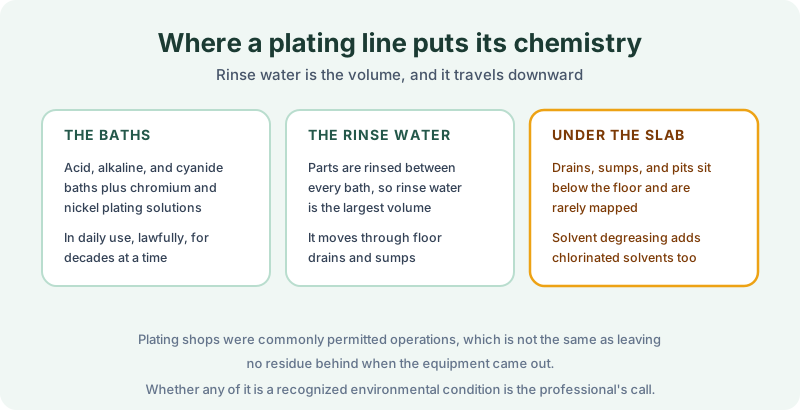
Plating is a wet process. Parts move through acid and alkaline cleaners, then through plating baths carrying dissolved metals, chromium, nickel, cadmium, zinc, and copper among them, and in older shops cyanide solutions were routine for several of those. Between every step the parts get rinsed, which makes rinse water the largest volume moving through the building.
Rinse water goes to drains, and drains, sumps, and clarifier pits sit below the slab where nobody looks. Ahead of the plating line there is usually degreasing, which through most of the twentieth century meant chlorinated solvents, the same compounds that drive dry cleaner investigations. A single small building can therefore present metals in shallow soil and solvents in groundwater at the same time.
Whether any of that amounts to a recognized environmental condition is a determination for the environmental professional, working from screening levels, sampling data, and the intended use. It is not a records question, and we would rather say so than blur the line.
What the county index actually holds
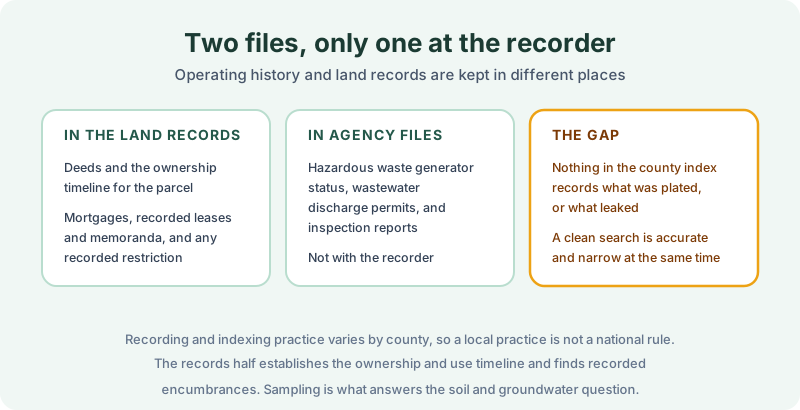
Here is the honest division of labor. Hazardous waste generator status, wastewater discharge permits, and inspection reports are agency records. They sit with state and federal environmental programs, and no amount of searching land records will produce them.
What the land records hold is the ownership and use timeline. A chain of title search shows when a parcel turned from farmland or a residence into industrial use, who held it through the operating years, and what was recorded against it while that was going on. Recorded leases and memoranda of lease name occupants, which on a multi tenant industrial building is often the only recorded document a plating tenant appears in at all.
The gap deserves stating plainly. Nothing in the county index records what was plated in that building or what leaked out of it. A clean search on a plating parcel is an accurate result and a narrow one, both at once.
When a closure records something
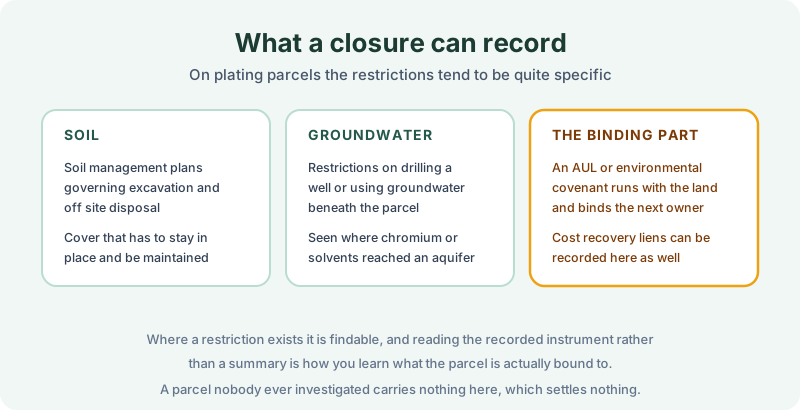
The exposure that genuinely belongs to the records half is whatever a cleanup recorded, and on plating parcels those instruments tend to be specific.
- Soil management plans governing excavation and off site disposal of impacted material.
- Cover requirements, meaning pavement or a cap that has to stay in place and be maintained.
- Groundwater use restrictions prohibiting a well or the use of groundwater beneath the parcel, which show up where chromium or solvents reached an aquifer.
- An activity and use limitation or environmental covenant, which runs with the land and binds the next owner whoever signed it.
- A cost recovery lien where an agency spent public money on the site.
Where any of those exists it is findable, and the instrument itself is the point. A database summary tells you a restriction exists somewhere. The recorded document tells you what this parcel is bound to, which is what a buyer has to live with.
The operator was often a tenant
Plating shops were frequently tenants, one bay in a building with several, and that splits the diligence in a way worth planning for. The operator who generated the waste may never have owned the parcel, while a recorded restriction or lien attaches to the land, and therefore to the landlord’s title and to whoever buys next.
Our note on searching leased property covers the mechanics. The short version is that the search runs against the parcel as well as the ownership names across the term, and recorded leases get pulled because they are how occupants surface. Whether leases were recorded at all varies by county, so an absence in the index proves very little here.
Order the records half
A former plating bay is a serious historical use with a thin paper trail, and the parcel level question is whether anything was ever recorded against the land. Our 1980 Environmental Lien & AUL report answers that: certified title abstractors review land title and judicial records from 1980 to the present and document every environmental lien, encumbrance, and AUL found, with the recorded instruments attached. It’s $425, delivered by email in 3–5 business days. Order online, or see a sample report first. The REC determination stays where it belongs, with your environmental professional.
Get an E1527-21 compliant lien & AUL report
Our 1980 Environmental Lien & AUL reports are researched by certified title abstractors, cover judicial records, and are guaranteed accurate. Delivered in 3–5 business days.
or call 877-848-5337