
Published
A bulk terminal is not a gas station at larger scale, and treating it that way is the usual mistake. The tanks were mostly above ground rather than buried, the volumes moved through them were enormous, the piping ran hundreds of feet, and the operation typically continued for fifty or sixty years. Many of these parcels sit on rail spurs or waterfronts in neighborhoods that have since become desirable, which is how they end up in residential and mixed use transactions. The record profile is closer to our note on former manufactured gas plants than to a corner service station: a long institutional history, and paperwork that arrived decades after the use began.
What the terminal left behind
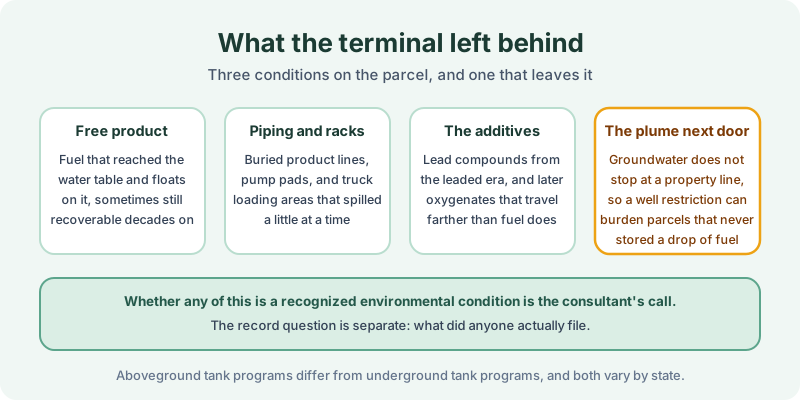
Free product is the signature condition. Where enough fuel reached the water table it can float on it as a separate layer, and recovery systems installed in the 1990s are sometimes still running. That single fact explains most of what shows up later in the land records.
Piping and loading racks contributed the slow losses. Buried product lines, pump pads, and truck loading areas leaked in small amounts continuously rather than in one event, which is why the affected footprint is often the whole yard rather than a spot.
The additives matter for how far a problem traveled. Lead compounds from the leaded era stay near where they landed. Oxygenates used later are far more mobile in groundwater and are a common reason a plume extends well past the fence.
The off-site plume is the item that changes a buyer’s scope. Groundwater does not respect a property line, and where an agency imposed a well prohibition across an affected area, the restriction can burden parcels that never stored a drop of fuel. Whether any of this amounts to a recognized environmental condition is a determination for the environmental professional, not for the abstractor. The record question is separate: what did anyone file.
What the record may carry
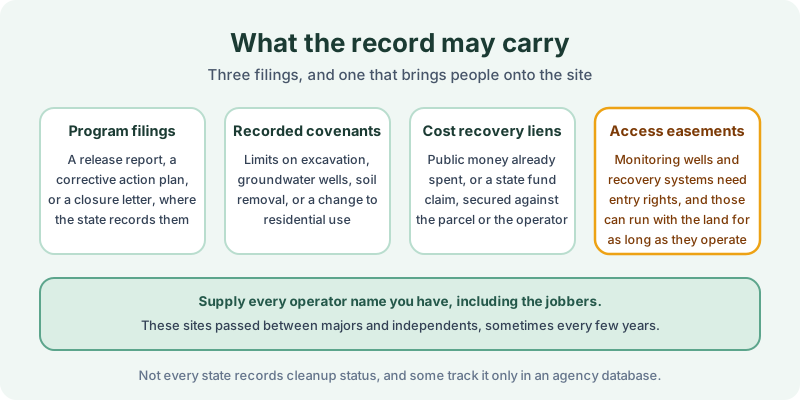
Program filings appear where a state records a release report, a corrective action plan, or a closure document, and practice varies enormously, a point our note on voluntary cleanup programs develops.
Recorded covenants are the consequential instrument. Petroleum sites are frequently closed with contamination left in place under a use restriction rather than excavated to background, and the covenant then limits excavation, groundwater wells, soil removal, or a change to residential use. Those are the subject of our note on environmental covenants and UECA, and the groundwater half is covered in our note on groundwater use restrictions.
Cost recovery liens secure public money already spent, and on petroleum sites they can also reflect a state cleanup fund claim.
Access easements are the item people miss because they do not look like an environmental filing. Monitoring wells and recovery systems need entry rights, and those instruments can run with the land for as long as the equipment operates. Our note on remediation access easements explains how they read and why they constrain redevelopment more than owners expect.
Names are the unlock again. Terminals passed between major oil companies, regional distributors, and independent jobbers, sometimes every few years, and filings are indexed under whichever name was current, the pattern described in our note on judicial records.
Scoping the search
Two things are specific to these parcels. The first is footprint, since a terminal that occupied twenty acres has often been split into several lots, so a covenant recorded against the original tract may sit under a description that no longer matches the parcel being sold. Ask for the pre-subdivision description whenever the tract was ever split, because that is where an older instrument will be indexed. The second is that a neighboring parcel can carry the restriction, so if the transaction includes adjacent land, each legal description needs its own search, and a buyer who orders only the terminal parcel can miss the well prohibition recorded across the block.
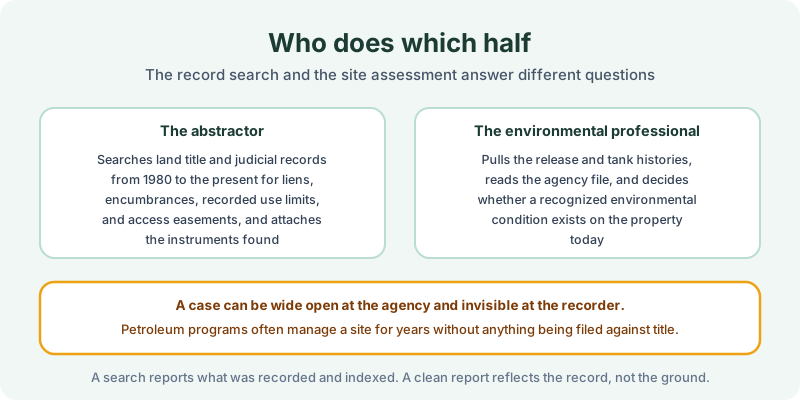
Read the result with the right expectation. Petroleum programs commonly manage a site for years without anything being filed against title at all, so a clean report reflects the record rather than the agency file or the ground. The FAQ covers how we handle thin or unindexed counties, and a sample report shows the format the findings arrive in.
The 1980 Environmental Lien & AUL report is the record half of this work. Certified title abstractors review land title and judicial records from 1980 to the present and document every environmental lien, encumbrance, and AUL found, with the recorded instruments attached. It is $425, delivered by email in 3–5 business days. Order online, or see our note on former gas stations for the underground tank version of this problem.
Get an E1527-21 compliant lien & AUL report
Our 1980 Environmental Lien & AUL reports are researched by certified title abstractors, cover judicial records, and are guaranteed accurate. Delivered in 3–5 business days.
or call 877-848-5337