Published
Two deals can put the same contaminated property under new control and leave completely different marks on the county record. In an asset purchase a deed is recorded and the parcel changes hands. In an entity purchase the shares or membership interests change hands, the company that owns the land keeps owning it, and the land record never moves at all. That difference shapes the diligence more than people expect, and it starts from the point behind keeping your BFPP defense alive after closing, that obligations attached to a property outlast whoever holds it.
Two structures, one parcel
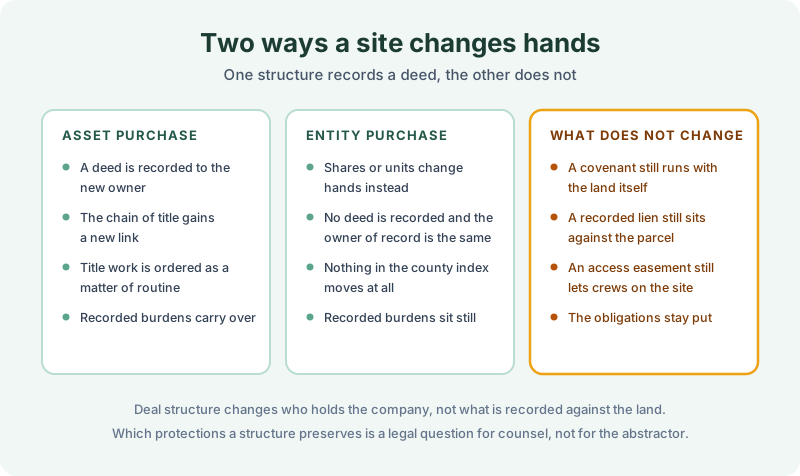
An asset purchase conveys the real estate itself. A deed goes on record, the chain of title gains a link, and title work is ordered as a matter of routine.
An entity purchase conveys the owner of the real estate. No deed is drafted, nothing is recorded, and the owner of record is the same company it was the week before. Everything recorded against the land stays exactly where it was, because nothing in the transaction touched the land.
That last sentence is the whole point. A recorded environmental covenant runs with the land, so it binds the parcel no matter who controls the company. A recorded cleanup lien stays attached. Buying the entity buys all of it, in place and unchanged.
What the chain of title looks like afterwards
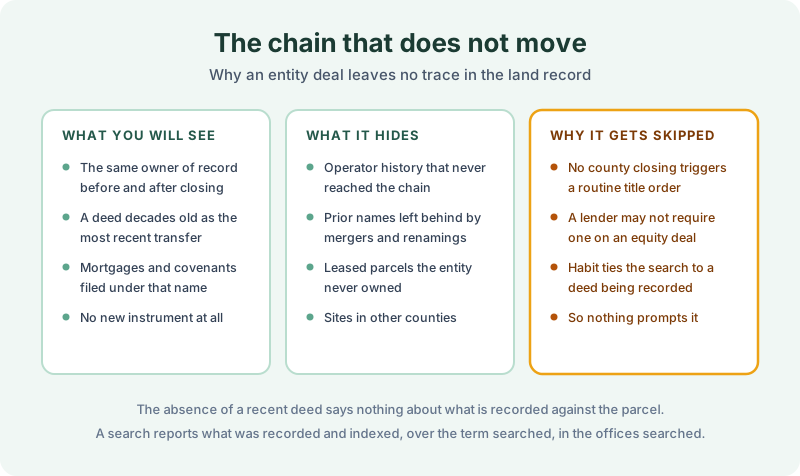
Search a property that has been through three entity sales and the chain can look almost still. The most recent deed may be forty years old. The owner of record has never changed. Mortgages, easements and covenants were all filed under one name, and nothing in the index hints that control changed hands repeatedly.
This is also why a chain of title search on a long held industrial parcel reads so differently from one on a property that has traded often. A quiet chain is not evidence of a quiet site. It frequently means the operating history sat inside one entity, where the county index could never see it.
Why entity deals get under searched
The reason is procedural rather than analytical. On an asset deal the closing itself generates the records work, and a lender wants to know what secures the loan. On an entity deal there is no county closing, the lender may be looking at the balance sheet rather than at the collateral, and nothing in the process raises its hand to ask what is recorded against the land.
So the search gets skipped by habit rather than by decision, which is a poor reason, because the recorded burdens are identical either way and what a lender is exposed to does not care how the deal was papered. A superlien that would have surfaced on an asset deal is no less senior because nobody looked for it.
What belongs to counsel
Deal structure and environmental liability is a legal subject, and this is the point where a records vendor should stop talking. Whether the landowner protections under CERCLA are available when a buyer acquires an entity rather than a property, how successor liability is treated in the relevant state, and what the purchase agreement should allocate are all questions for environmental counsel. All Appropriate Inquiries is performed by or for the party seeking a defense, and whether a defense is even in play is not a determination a title abstractor makes.
What the search does is factual. It reports what is recorded against the parcels searched, and what the judicial indexes held on the names searched. That is the input counsel needs, not a substitute for counsel.
Scoping the work when no deed is moving
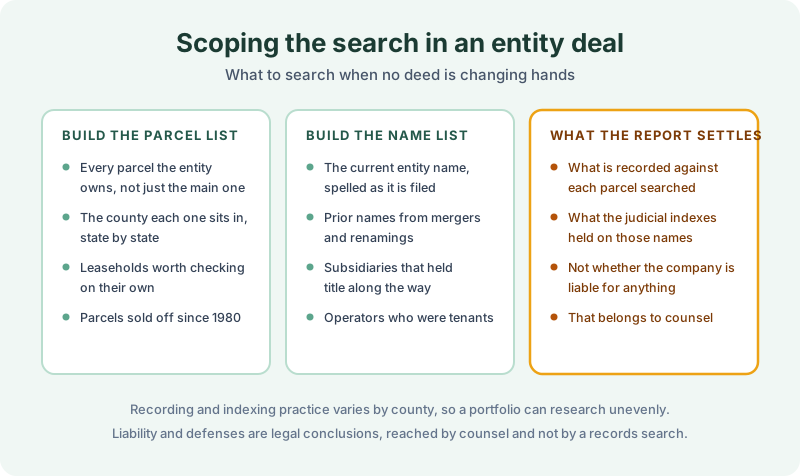
Two lists do the scoping.
- The parcel list. Every parcel the entity owns rather than the one site everyone is discussing, with the county for each, since an operating company often holds a yard, a lot across the street, and something in another state.
- The name list. The current name as filed, prior names from mergers and renamings, subsidiaries that held title along the way, and the operators who were tenants. Judicial records run on names, so an incomplete list quietly shrinks half the search.
Where several parcels are involved they can be ordered together the way any multi-site review is handled. Where a parcel sits beside a former industrial user, whether the neighbor needs its own search comes up on the same terms it would in an asset deal.
Whatever the structure, an AUL binds the owner of the land to inspections, certifications and notices that a share transfer does nothing to suspend. A search reports what was recorded and indexed over the term searched, and recording practice varies by county.
The 1980 Environmental Lien & AUL report works the same way in either structure. Our certified title abstractors review land title and judicial records from 1980 to the present and document every environmental lien, encumbrance, and AUL found, with the recorded instruments attached. It’s $425, delivered by email in 3–5 business days. Order online for each parcel in the deal, or read how to read the report before you price what you are taking on.
Get an E1527-21 compliant lien & AUL report
Our 1980 Environmental Lien & AUL reports are researched by certified title abstractors, cover judicial records, and are guaranteed accurate. Delivered in 3–5 business days.
or call 877-848-5337